Choosing the best place to live in India is not just about salary packages or skyline views. It is about air quality, safety, healthcare, education, culture, connectivity and the everyday rhythm of life. From coastal metros to quiet hill cities, India offers dramatically different living experiences. Some cities promise opportunity and speed. Others offer space and balance.
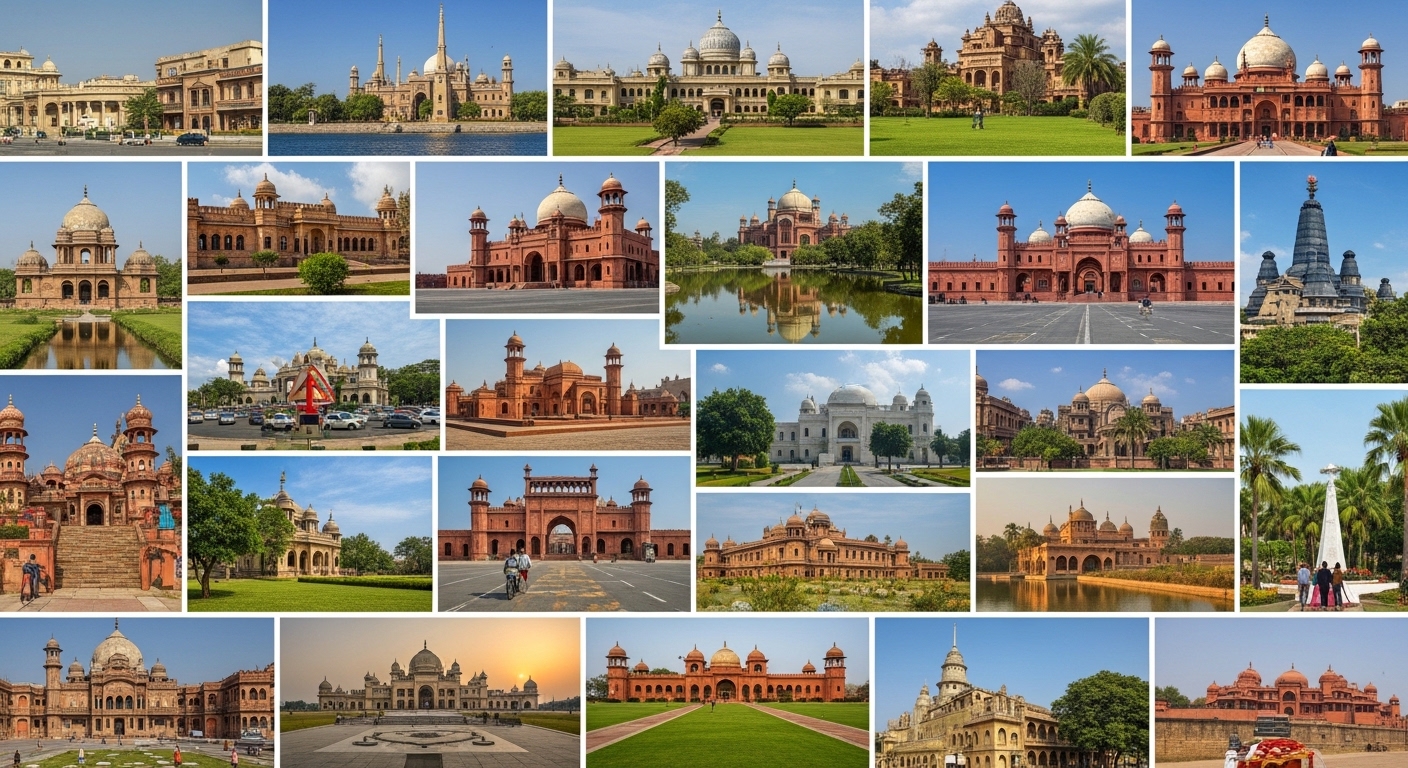
Here is a detailed, journalist style exploration of 15 of the best places to live in India, based on livability, infrastructure, job prospects, climate, civic amenities and overall quality of life.
1. Bengaluru
Bengaluru continues to dominate conversations about urban livability in India. Often called the Silicon Valley of India, the city offers abundant career opportunities, especially in technology, startups and research.
Yet Bengaluru’s appeal extends beyond employment. Its climate remains one of the most pleasant among Indian metros. Tree lined neighbourhoods such as Indiranagar, Jayanagar and Koramangala blend urban energy with community life.
The city has strong healthcare infrastructure, reputed schools and an active cultural scene. Traffic congestion remains a challenge, but the overall balance between opportunity and lifestyle keeps Bengaluru at the top of many relocation lists.
2. Pune
Pune offers the rare combination of metropolitan growth and manageable scale. Located close to Mumbai yet more relaxed, it has grown into a major IT, automobile and education hub.
The presence of universities gives Pune a youthful and progressive atmosphere. Residential areas are well developed, and the climate is relatively moderate compared to coastal cities.
For professionals seeking growth without the relentless pace of larger metros, Pune offers an attractive alternative.
3. Hyderabad
Hyderabad has emerged as one of India’s fastest growing urban centres. The HITEC City district has transformed the employment landscape, attracting multinational companies and startups alike.
The city also stands out for its relatively affordable housing compared to other tech hubs. Infrastructure improvements, an expanding metro network and strong healthcare institutions enhance its livability.
Hyderabad manages to preserve its culinary heritage and historical character while embracing modern development.
4. Ahmedabad
Ahmedabad offers structured growth and economic stability. The Sabarmati Riverfront project, improved road networks and industrial expansion have reshaped the city’s image.
It remains one of the more affordable large cities in India, with strong business opportunities and reputable educational institutions.
The city’s relatively lower cost of living combined with expanding job markets makes it appealing to entrepreneurs and professionals alike.
5. Chandigarh
Designed by architect Le Corbusier, Chandigarh stands apart for its planned layout. Wide roads, organised sectors and abundant green spaces define its identity.
Cleanliness, lower congestion and quality public services contribute to a high standard of living. Government employment and educational institutions anchor the economy.
For families prioritising safety and order, Chandigarh often ranks high.
6. Mumbai
Mumbai is intense, expensive and relentless. Yet it remains one of the most aspirational cities in India. The financial capital offers unmatched career opportunities in finance, media, entertainment and corporate sectors.
Its public transport network, though crowded, remains one of the most efficient in the country. The city rarely sleeps, and that constant motion appeals to ambitious professionals.High real estate prices and compact living spaces are trade offs, but for many, Mumbai’s energy outweighs its challenges.
7. Chennai
Chennai blends industrial strength with cultural depth. It is a major hub for automobile manufacturing, IT and healthcare.
Despite humid summers, the city maintains stable civic services and relatively affordable housing compared to Mumbai or Bengaluru.Chennai’s emphasis on education, music and classical arts adds dimension to urban life.
8. Kochi
Kochi offers coastal charm combined with growing commercial importance. The presence of the port, IT parks and tourism sustains employment options.Kerala’s high literacy rate and healthcare standards enhance overall living conditions.
Kochi’s slower pace and scenic waterfront make it attractive for those prioritising quality of life over high intensity corporate competition.
9. Jaipur
Jaipur has transitioned from a heritage city to a modern urban centre. Growing IT parks, educational institutions and tourism driven businesses fuel economic expansion.
Housing remains comparatively affordable. Infrastructure improvements and metro connectivity add to its appeal.
For individuals seeking a balance between cultural heritage and modern employment, Jaipur presents a compelling case.
10. Indore
Indore consistently ranks among India’s cleanest cities. Civic management and public participation have transformed it into a model for urban sanitation.
The cost of living is moderate, and the city has emerging educational and industrial sectors.
Indore offers stability and comfort without metropolitan chaos.
11. Coimbatore
Coimbatore is often described as one of South India’s most comfortable cities. Known for its textile industry and growing IT presence, it offers economic opportunities with lower living costs.
The climate is relatively pleasant, and proximity to hill stations such as Ooty adds lifestyle appeal.For families and entrepreneurs alike, Coimbatore offers practical advantages.
12. Surat
Surat’s diamond and textile industries drive strong economic growth. The city has invested in infrastructure, public transport and cleanliness initiatives.
Housing remains more affordable compared to major metros.Surat represents upward mobility, especially for business oriented professionals.
13. Mysuru
Mysuru offers a slower, more organised alternative to Bengaluru. It combines cultural richness with expanding educational institutions and IT parks.
Lower pollution levels and manageable traffic contribute to a higher comfort index.
For those seeking calm without sacrificing opportunity, Mysuru is increasingly attractive.
14. Thiruvananthapuram
Kerala’s capital offers strong public healthcare, education and administrative infrastructure. The presence of IT parks and government institutions sustains employment.Coastal beauty and cultural depth enhance lifestyle quality.
Thiruvananthapuram is especially appealing for those prioritising social development indicators alongside career stability.
15. Noida
Part of the National Capital Region, Noida has grown rapidly into a corporate hub. Modern residential complexes, metro connectivity and commercial centres define its skyline.
Proximity to Delhi expands employment options while allowing comparatively better housing choices.
For young professionals, Noida represents upward mobility within a structured urban environment.
Final PerspectiveIndia’s best places to live are shaped by personal priorities. For some, career growth dominates. For others, climate, affordability or civic order matter more.
Bengaluru and Hyderabad attract the ambitious. Pune and Ahmedabad balance growth with comfort. Chandigarh and Mysuru offer organisation and calm. Mumbai provides unmatched opportunity at a premium cost.
Livability is not a fixed equation. It evolves with infrastructure, governance and social change. Yet these fifteen cities consistently emerge in discussions about quality of life in India.
Ultimately, the best place to live is where opportunity aligns with personal rhythm. And in a country as vast and varied as India, that alignment looks different for everyone.