How to Travel in Peak Summers: Tips and Tricks for a Safer, Smarter JourneyPeak summer travel in India is not for the faint hearted. By late May and June, temperatures in many cities push past forty degrees Celsius. Railway platforms radiate heat, highways shimmer in the distance, and sightseeing at noon can feel like a test of endurance. Yet summer is also school vacation season, a time when families pack their bags and head for hills, beaches, and heritage towns.
Traveling in extreme heat demands more than enthusiasm. It requires planning, patience, and practical sense. Here is a detailed guide to navigating peak summer like a seasoned traveler.
Choose Your Destination Wisely
The first rule of summer travel is simple. Respect the weather. If the plains are burning, look to the mountains. Hill stations in Himachal Pradesh, Uttarakhand, Sikkim, and the Nilgiris offer cooler temperatures and fresher air. High altitude destinations such as Ladakh remain accessible only in summer and provide relief from heat, though they bring their own challenges.
If you prefer coastal escapes, consider places with steady sea breeze rather than humid city beaches. Timing matters here as well. Early summer is more forgiving than late May and June in many regions.
Avoid desert circuits and long walking tours in cities known for extreme heat unless absolutely necessary. Some destinations are best saved for winter.
Plan Around the Sun
In peak summer, the sun dictates your schedule. Midday sightseeing can quickly lead to exhaustion or dehydration. Instead, structure your day in two parts.
Start early. Wake before sunrise if possible and complete major outdoor activities by late morning. Visit monuments, trek viewpoints, or explore markets in the cooler hours. After lunch, retreat indoors. Use this time for rest, museum visits, shopping in covered markets, or simply relaxing at your hotel.
Step out again in the evening once temperatures begin to drop. Many hill towns and beach promenades come alive after sunset, offering a comfortable window for exploration.
Book Smart and Stay Cool
Accommodation choice becomes crucial in summer. Air conditioning is no longer a luxury but a necessity in hot regions. Before booking, check whether rooms have reliable cooling systems and consistent power backup. In smaller towns, power cuts can stretch for hours.
If traveling to hill stations, remember that evenings can still turn chilly despite warm days. A room with good ventilation and access to natural light often enhances comfort.
Advance booking is advisable during school holidays, as prices tend to rise sharply. Last minute plans in peak season often mean limited options or inflated rates.
Hydration Is Non-Negotiable
Dehydration is one of the biggest risks during summer travel. The body loses fluids faster than we realize, especially during long journeys by train or road.
Carry a reusable water bottle and refill it regularly with safe drinking water. Oral rehydration solutions or electrolyte powders can be lifesavers after a long day outdoors. Coconut water and fresh fruit juices are helpful but avoid beverages loaded with excessive sugar or caffeine.
Make it a habit to sip water consistently rather than waiting until you feel thirsty. By the time thirst strikes, the body may already be dehydrated.
Dress for Survival, Not Style
Summer fashion on social media rarely reflects real travel conditions. Light, breathable fabrics such as cotton and linen are ideal. Loose fitting clothes allow better air circulation and reduce heat retention.
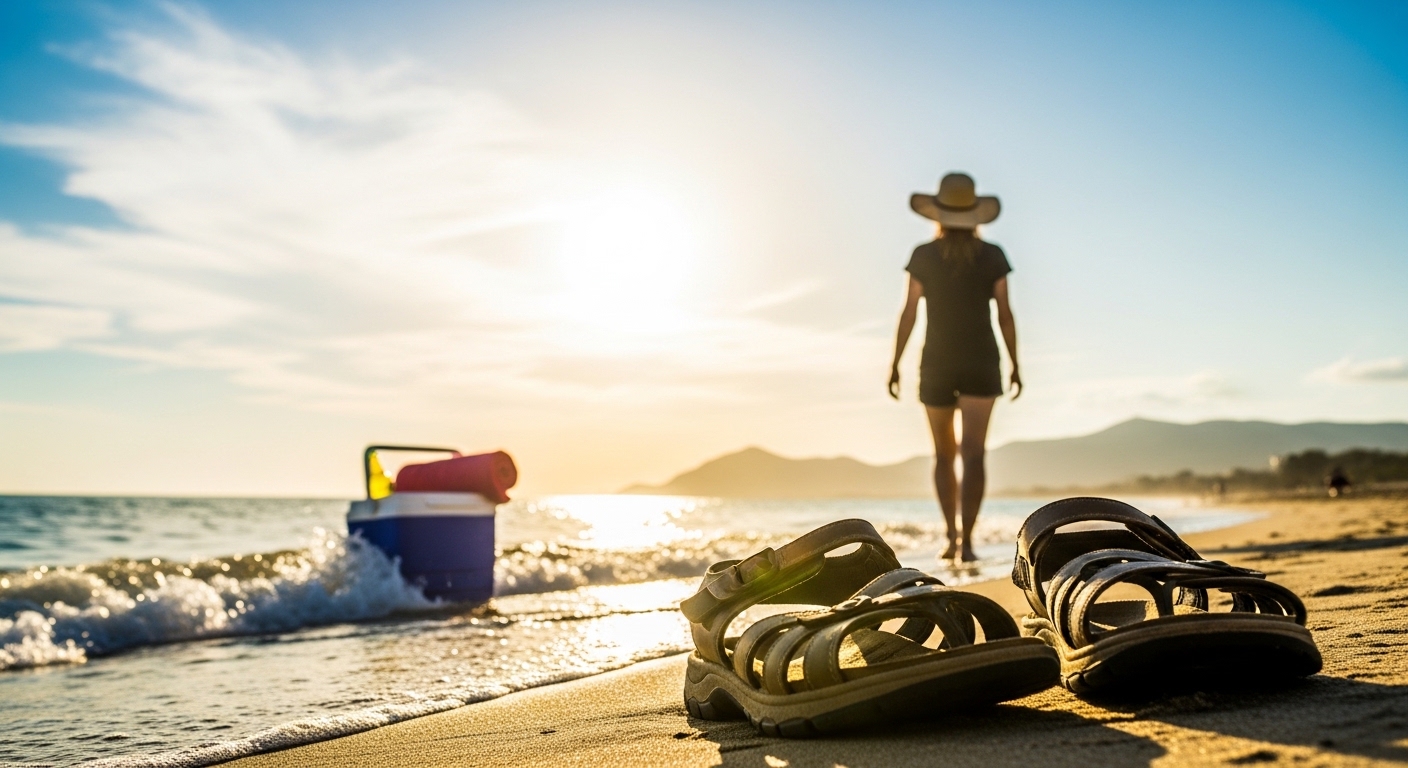
Opt for light colors that reflect sunlight rather than absorbing it. A wide brimmed hat, sunglasses, and a scarf or stole can protect against direct sun exposure. Comfortable footwear is equally important. Hot pavements and uneven terrain demand sturdy sandals or breathable walking shoes.
Sunscreen with adequate SPF should be applied generously and reapplied every few hours. Sunburn can occur even on cloudy days in high altitude areas.
Eat Light and Stay Safe
Heavy meals in extreme heat can leave you sluggish. Choose lighter, balanced meals that include fruits, salads, and curd. Street food may be tempting, but ensure it is freshly prepared and served hot.
Avoid raw cut fruits sold in open markets, especially in very hot conditions. Food spoils faster in summer, increasing the risk of stomach infections.
If traveling with children or elderly family members, carry simple snacks such as dry fruits, biscuits, and packaged items from reliable brands to avoid unnecessary health issues.
Travel Timing and Transport Choices
Long road journeys under harsh sun can be draining. If possible, start early in the morning or travel overnight when temperatures are lower. Ensure your vehicle’s air conditioning system is functioning properly and that there is enough drinking water stored inside.
For train travel, choose higher class compartments if budget allows, as they are better ventilated and more comfortable. If flying, arrive well hydrated, as cabin air can be drying.
During bus journeys in non-air conditioned vehicles, keep a damp cloth or wet wipes handy to cool your face and neck.
Protect Against Heat Related Illness
Heat exhaustion and heatstroke are serious risks during peak summer. Symptoms include dizziness, nausea, headache, rapid heartbeat, and confusion. If anyone in your group shows these signs, move them to a shaded or cool place immediately. Offer fluids and seek medical help if symptoms persist.
Never ignore prolonged fatigue or disorientation in hot weather. Children and elderly travelers are particularly vulnerable.
Carrying a basic first aid kit with essential medicines, ORS packets, and a thermometer can make a significant difference in emergencies.
Respect Local Climate Conditions
Every region handles summer differently. In coastal areas, humidity can make moderate temperatures feel unbearable. In the mountains, the sun may feel intense despite cool air. In high altitude places, dehydration happens faster due to dry conditions.
Research local weather patterns before departure. Check for heatwave alerts and follow advisories issued by authorities. Flexibility in your itinerary allows you to adjust plans based on daily conditions.
Keep Technology and Documents Safe
Extreme heat can affect gadgets. Avoid leaving phones, cameras, or power banks in direct sunlight or inside parked vehicles. Overheating can damage batteries and screens.
Store important documents in waterproof and heat-resistant pouches. Summer storms and sudden showers in hill regions can catch travelers off guard.
Travel Insurance and Medical Access
Peak summer often coincides with crowded tourist destinations. Medical facilities in smaller towns may be limited. Travel insurance that covers medical emergencies provides added security, especially when traveling with family.
Note down contact details of nearby hospitals and emergency services upon arrival. Preparation reduces panic in unforeseen situations.
Balance Adventure with Caution
Summer is a popular season for trekking, river rafting, and mountain biking. While adventure activities are exciting, overexertion in heat can be dangerous. Pace yourself. Take regular breaks and listen to your body.
Avoid alcohol during daytime activities in hot weather, as it accelerates dehydration. Save celebratory drinks for cooler evenings.
Traveling with Children in Summer
Children are more sensitive to temperature changes. Dress them in light clothing, keep them hydrated, and avoid long hours under direct sun. Plan frequent breaks during sightseeing.
Indoor attractions such as museums, aquariums, and cultural centers provide a comfortable escape from heat while keeping young travelers engaged.
The Final Word
Peak summer travel is challenging but manageable with the right approach. It demands awareness, preparation, and a willingness to slow down. Instead of fighting the season, work around it. Begin your days early, rest when the sun is harsh, hydrate constantly, and choose destinations that complement the weather rather than resist it.
Travel, after all, is not about enduring discomfort. It is about experiencing new places safely and thoughtfully. With careful planning and practical habits, even the hottest months can turn into memorable journeys rather than exhausting ordeals.