Summer is the season of packed suitcases and long waiting lists. Schools shut down, offices thin out, and highways fill with cars heading toward hills, beaches, and heritage towns. Yet beneath the excitement lies a simple truth. Traveling in peak summer can test patience, stamina, and planning skills. High temperatures, crowded attractions, and rising prices are part of the package.
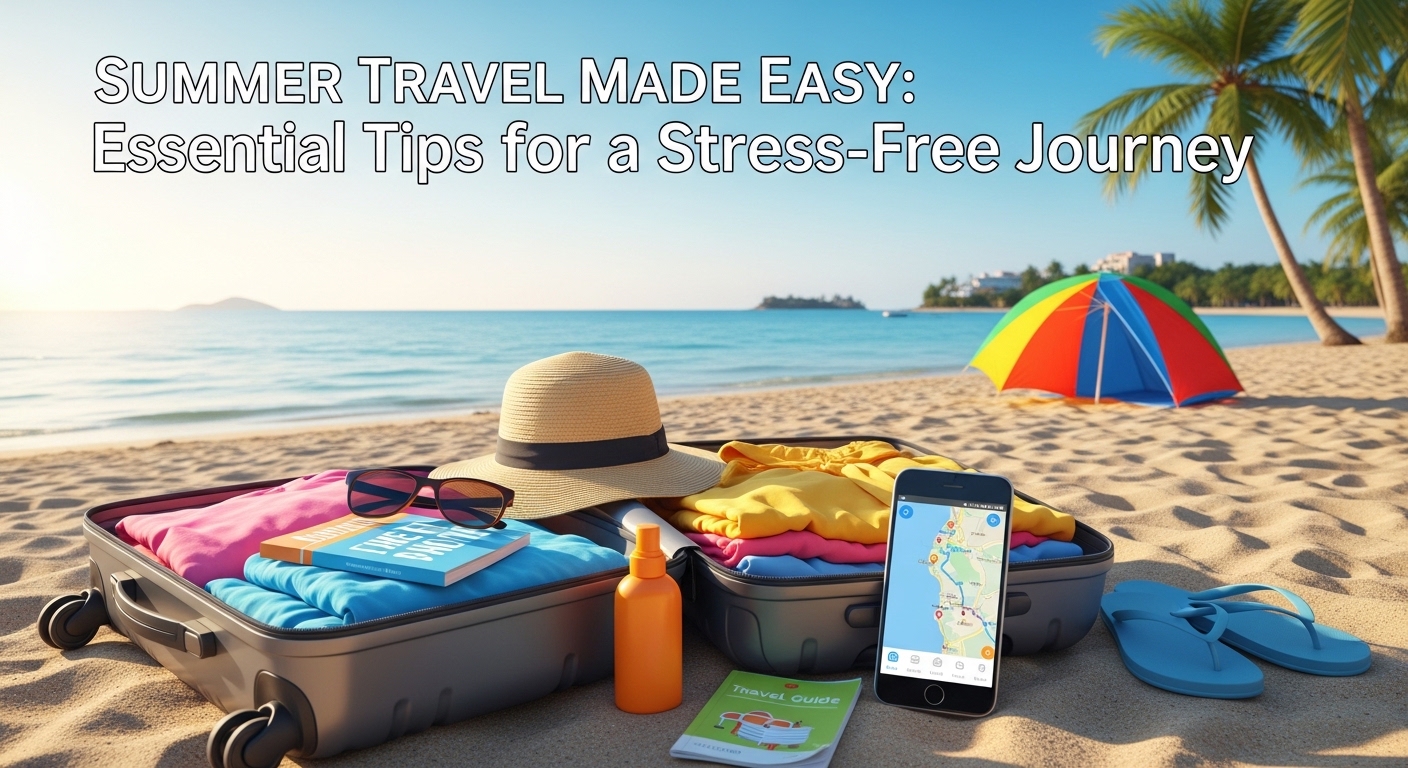
A stress-free summer journey is rarely accidental. It is the result of careful preparation, smart timing, and practical decisions. Here is a detailed guide to making summer travel smoother, safer, and far more enjoyable.
Plan Early, Travel Smarter
The first rule of summer travel is to plan ahead. Flight and train tickets tend to disappear weeks in advance, especially during school vacations. Booking early not only secures better seats but also prevents last minute price surges.
Accommodation follows the same pattern. Popular hill stations and beach towns often operate at full capacity during May and June. Confirm reservations well in advance and read recent reviews carefully. Look for properties with reliable cooling systems, backup power, and easy access to local transport.
Early planning also allows you to create a balanced itinerary. Instead of cramming multiple destinations into a short window, focus on fewer places and explore them at a relaxed pace.
Respect the Weather
Summer demands respect. In many parts of India, daytime temperatures climb beyond forty degrees Celsius. Even in cooler regions, the midday sun can be intense.
Structure your day around the climate. Begin sightseeing early in the morning when air is fresh and roads are less crowded. Reserve afternoons for indoor activities such as museum visits, café breaks, or rest at your hotel. Step out again in the evening when temperatures ease.
Checking daily weather forecasts before heading out can prevent unpleasant surprises. Heatwave warnings should never be ignored.
Pack With Purpose
Packing for summer travel is about practicality rather than fashion. Light, breathable fabrics such as cotton and linen are ideal. Loose clothing allows better airflow and keeps the body cooler. Choose light colors that reflect sunlight.
A wide brimmed hat, quality sunglasses, and sunscreen with adequate SPF are essential. Reapply sunscreen every few hours, especially during outdoor activities.
Footwear deserves equal attention. Comfortable walking shoes or sturdy sandals help prevent fatigue during long sightseeing days. Avoid new shoes that may cause blisters.
Keep a lightweight scarf or stole handy. It can shield against harsh sun during the day and provide warmth in cooler hill station evenings.
Hydration Is Your Best Defense
Dehydration is one of the most common causes of travel discomfort in summer. Long journeys by train, bus, or car can quietly drain the body of fluids.
Carry a reusable water bottle and refill it with safe drinking water. Electrolyte powders or oral rehydration solutions are useful, especially after hours spent outdoors. Coconut water and fresh lime juice offer natural hydration.
Make a habit of drinking water regularly rather than waiting until you feel thirsty. Children and elderly travelers need gentle reminders to stay hydrated.
Travel Light but Carry Essentials
Overpacking adds unnecessary stress. Heavy luggage slows you down and complicates hotel check ins, especially in crowded destinations.
Focus on versatile clothing pieces that can be mixed and matched. Carry only essential gadgets and avoid loading your bag with items you are unlikely to use.
At the same time, do not compromise on critical items. A small medical kit with basic medicines, ORS packets, band aids, and personal prescriptions is indispensable. Wet wipes, hand sanitizer, and tissues are practical additions during summer travel.
Manage Your Energy
Summer heat can sap energy faster than expected. Pacing yourself is crucial. Avoid back-to-back sightseeing marathons that leave everyone exhausted by day three.
Schedule short breaks between activities. A quiet café stop or a relaxed lunch indoors can recharge both body and mood. If traveling with children, plan activities that alternate between excitement and rest.
Even adventure seekers should remember that high temperatures increase fatigue. Trekking, cycling, or water sports require adequate preparation and hydration.
Choose Transport Wisely
Long road journeys in extreme heat can be draining. If traveling by car, ensure the vehicle’s air conditioning system is functioning properly. Carry extra drinking water and avoid driving during peak afternoon hours.
For train travel, higher class compartments offer better ventilation and comfort. In buses, opt for air-conditioned services if available. If flying, stay hydrated as cabin air can be dry.
Arrive at stations and airports with sufficient buffer time. Summer crowds can lead to long queues and delays.
Eat Fresh and Light
Summer travel often tempts visitors with local delicacies and street food. While exploring cuisine is part of the experience, caution is essential.
Choose freshly prepared meals served hot. Avoid food that has been sitting in open heat for long periods. Raw cut fruits from roadside vendors may pose hygiene risks.
Include fruits, salads, and curd in your meals to keep digestion light. Heavy, oily dishes can increase discomfort in high temperatures.
Protect Your Gadgets
Extreme heat affects not only people but also devices. Avoid leaving phones, cameras, or power banks inside parked vehicles or under direct sunlight. Overheating can damage batteries and reduce performance.
Carry a portable charger but keep it stored in a cool place. Back up important photos and documents regularly to prevent loss.
Keep Documents Secure
Summer storms in some regions can arrive unexpectedly. Store passports, tickets, and identification in waterproof pouches. Digital copies saved securely on your phone or email can serve as backup.
Having both physical and digital copies reduces stress in case of misplacement.
Travel Insurance and Emergency Preparedness
While often overlooked, travel insurance offers peace of mind. Medical emergencies in unfamiliar destinations can be overwhelming, particularly during peak season when hospitals may be busy.
Keep emergency contact numbers handy. Upon arrival, note the location of nearby medical facilities. A little preparation can make a significant difference in unforeseen situations.
Balance Adventure with Relaxation
Summer vacations need not be a race. It is easy to fall into the trap of ticking off attractions from a list. Instead, allow time to absorb the surroundings.
Watch a sunset without checking your phone. Spend an extra hour by the lake or beach. Encourage children to explore parks or local markets at their own pace. These slower moments often become the most cherished memories.
Traveling with Children
Children experience heat differently. Dress them in light fabrics and ensure they drink fluids frequently. Plan shorter sightseeing sessions and include interactive attractions such as parks, cable car rides, or boat trips.
Midday rest is especially important for young travelers. Overstimulation and heat can quickly lead to irritability.
The Art of Staying Flexible No matter how carefully you plan, unexpected delays and weather changes are part of travel. Flexibility reduces stress. If a particular attraction feels too crowded or too hot, adjust your plan.
Summer travel works best when approached with patience. Accept minor inconveniences as part of the journey rather than disruptions.
The Final Word
Summer travel in India can be intense, but it can also be deeply rewarding. With thoughtful planning, sensible packing, and attention to health, even the hottest months can yield refreshing experiences.
A stress free journey is built on preparation and perspective. Respect the season, listen to your body, and allow room for rest. When managed wisely, summer vacations become less about coping with heat and more about creating stories that linger long after the season fades.