Every seasoned traveler knows that packing can make or break a journey. In India, where one trip can take you from humid coastal towns to chilly hill stations within hours, smart packing is not a luxury. It is a necessity. Whether you are boarding a train for a cross country adventure or catching a flight to a weekend getaway, what you carry determines how comfortable and stress free your travel experience will be.
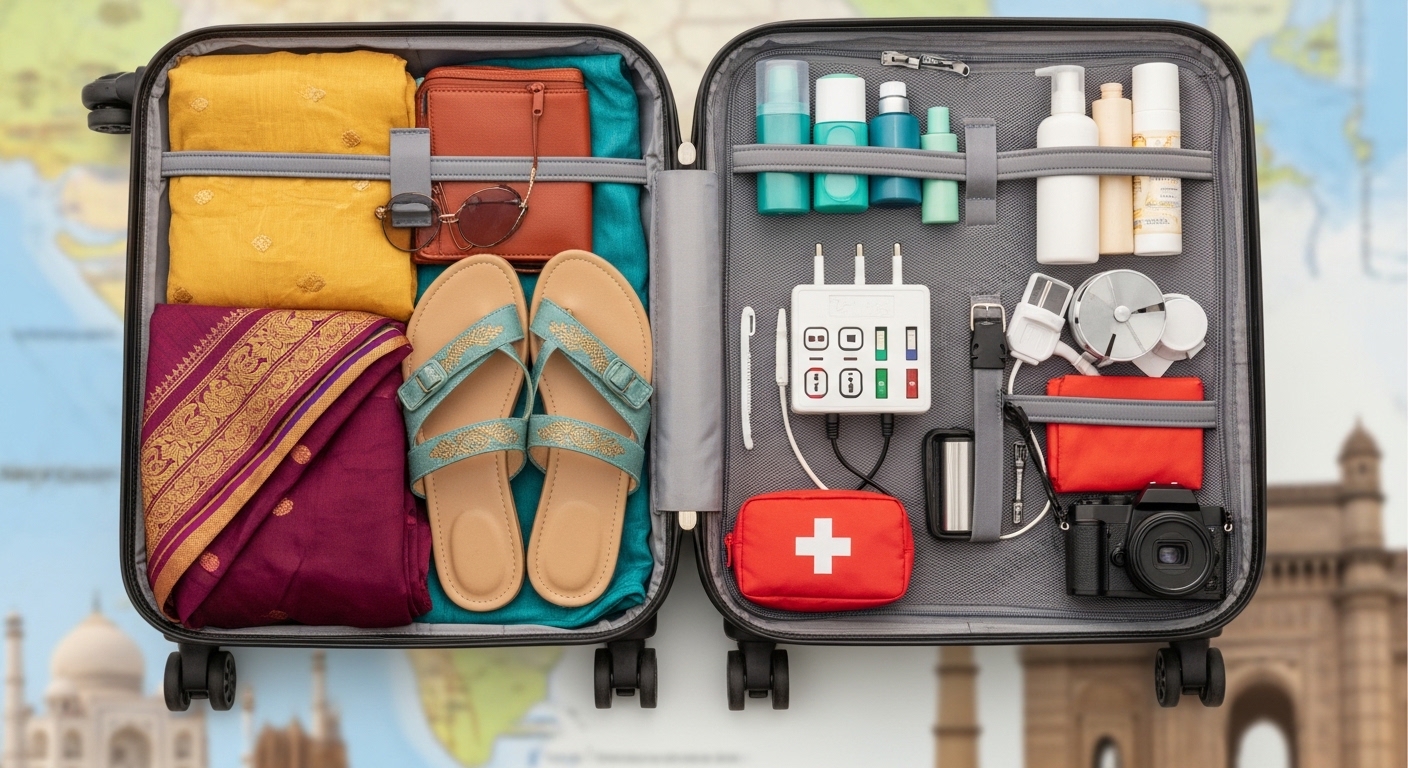
Packing well is not about stuffing a suitcase with everything you own. It is about understanding your destination, the season, the duration of your stay, and the type of travel you are undertaking. Indian travelers often deal with unpredictable weather, diverse cultures, and varying infrastructure. A thoughtful checklist ensures you are prepared without being weighed down.
Here is a detailed and practical packing guide tailored for Indian travelers.
Start with the Right Luggage
Before listing what goes inside, consider what you are packing into. A sturdy suitcase with smooth wheels works well for airport travel and hotel stays. For train journeys or road trips, a medium sized trolley bag or a durable backpack offers better flexibility.
Choose luggage that is lightweight yet strong. Hard shell suitcases provide protection for fragile items, while soft sided bags allow more flexibility when squeezing into tight spaces such as train compartments. If you are traveling with family, color coded tags or ribbons help identify bags quickly on crowded platforms or airport conveyor belts.
A small daypack is equally important. It holds essentials like water, documents, snacks, and electronics during transit.
Essential Clothing for Indian Conditions
India’s climate varies dramatically across regions. Smart packing begins with checking the weather forecast of your destination.
For summer travel, breathable cotton clothes are your best friend. Lightweight shirts, kurtas, t shirts, and comfortable trousers keep you cool. Avoid heavy fabrics that trap heat. A light scarf or stole is useful for sun protection and for covering up when visiting religious sites.
During winter trips, especially to northern states or hill stations, layer your clothing. Thermal wear, sweaters, jackets, and socks are crucial. Even cities like Delhi and Jaipur can get surprisingly cold in the early morning and late evening during winter months.
For monsoon travel, pack quick drying clothes and an extra pair of footwear. A compact umbrella or a foldable raincoat saves you from sudden downpours.
Comfortable footwear is non-negotiable. Walking shoes or cushioned sandals are ideal for sightseeing. If your itinerary includes temples, beaches, or treks, carry footwear that can be easily removed and cleaned.
Documents and Identification
Travel within India requires valid identification. Keep a government issued ID such as Aadhaar card, driving license, or passport easily accessible. If you are flying, ensure your ID matches the name on your ticket.
Carry printed copies of tickets, hotel reservations, and travel insurance if applicable. While digital copies stored on your phone are convenient, physical copies act as a backup in case of battery failure or network issues.
For international travelers visiting India, passport, visa documents, and photocopies should be kept separately for safety.
Toiletries and Personal Care
Many hotels provide basic toiletries, but it is wise to carry your own essentials. A small toiletry pouch should include toothbrush, toothpaste, soap or body wash, shampoo sachets, deodorant, comb, and skincare items suited to your skin type.
In India’s dusty and humid environments, wet wipes and hand sanitizer are invaluable. They help maintain hygiene during long train journeys or road trips where clean washrooms may not always be available.
Sunscreen is essential year-round, particularly in coastal and high-altitude regions. Lip balm and moisturizer prevent dryness during winter travel.
Women travelers may want to carry sanitary products, as availability in remote areas can be inconsistent.
Medicines and Health Essentials
A compact medical kit can prevent minor issues from turning into major inconveniences. Include basic medicines for headache, fever, cold, allergies, and stomach upset. Motion sickness tablets are useful for winding hill roads.
If you have prescribed medication, carry enough for the entire trip along with a copy of the prescription. Keep medicines in your cabin bag rather than checked luggage.
A small digital thermometer and adhesive bandages can also come in handy.
Electronics and Gadgets
Modern travel is closely linked with technology. Your smartphone serves as map, camera, ticket holder, and communication tool. Carry a charger and, if possible, a power bank for long travel days.
In India, power cuts can occasionally occur in smaller towns. A fully charged power bank ensures you remain connected. If you are traveling for work, pack a laptop with its charger in a padded sleeve.
Earphones or headphones are useful during flights or train rides. They help you relax without disturbing fellow passengers.
Remember to carry a universal adapter if you are visiting from abroad.
Food and Hydration
While India offers diverse and delicious food options, carrying a few snacks can be practical. Pack dry snacks such as nuts, biscuits, energy bars, or homemade treats for long journeys.
A reusable water bottle is a smart addition. You can refill it at reliable water stations or purchase packaged drinking water. Staying hydrated is crucial, particularly in hot climates.
Avoid carrying perishable food unless necessary, especially during long travel hours.
Safety and Security Items
Safety should always be part of your packing plan. A small lock for your luggage adds an extra layer of security during train travel. Money belts or neck pouches can help keep cash and cards secure in crowded areas.
Keep emergency contact numbers saved in your phone and written on a small card inside your wallet.
If you are traveling solo, especially as a woman, consider carrying a personal safety alarm.
Cultural Sensitivity and Practical Extras
India’s cultural diversity demands thoughtful clothing choices. When visiting temples, mosques, or gurudwaras, modest attire is recommended. Carry a scarf or shawl to cover your head when required.
Sunglasses and a hat protect you from harsh sunlight. A small notebook and pen are useful for jotting down information when mobile networks are unreliable.
If your trip includes rural areas or wildlife reserves, insect repellent becomes essential.
Laundry bags help separate used clothes from fresh ones, keeping your suitcase organized.
Packing Smart, Not Heavy
One of the biggest mistakes travelers make is overpacking. Lay out everything you plan to carry and remove at least a quarter of it. Choose versatile clothing pieces that can be mixed and matched. Neutral colors work well for this purpose.
Roll your clothes instead of folding them to save space. Use packing cubes if available. Keep heavier items at the bottom of your suitcase to maintain balance.
Always leave a little extra space for souvenirs or shopping finds.
The Final Check
Before leaving home, do a final checklist review. Confirm tickets, wallet, phone, chargers, and ID. Lock your house securely. Inform a trusted family member about your travel plan.
Smart packing is less about quantity and more about foresight. Indian travel, with all its vibrancy and unpredictability, rewards those who prepare well. A thoughtfully packed bag ensures that you focus on the journey itself rather than what you forgot at home.
In a country as diverse as India, the right packing checklist is your silent travel companion. It keeps you ready for heat and rain, city crowds and quiet countryside, long train rides and short flights. Travel light, travel prepared, and let your luggage carry confidence rather than clutter.