There is something transformative about watching a child spot a deer for the first time or fall silent at the distant roar of a tiger. Wildlife trips are not just holidays. They are immersive lessons in patience, ecology and respect for the natural world. For families seeking adventure beyond theme parks and malls, India’s wildlife sanctuaries offer unforgettable experiences.
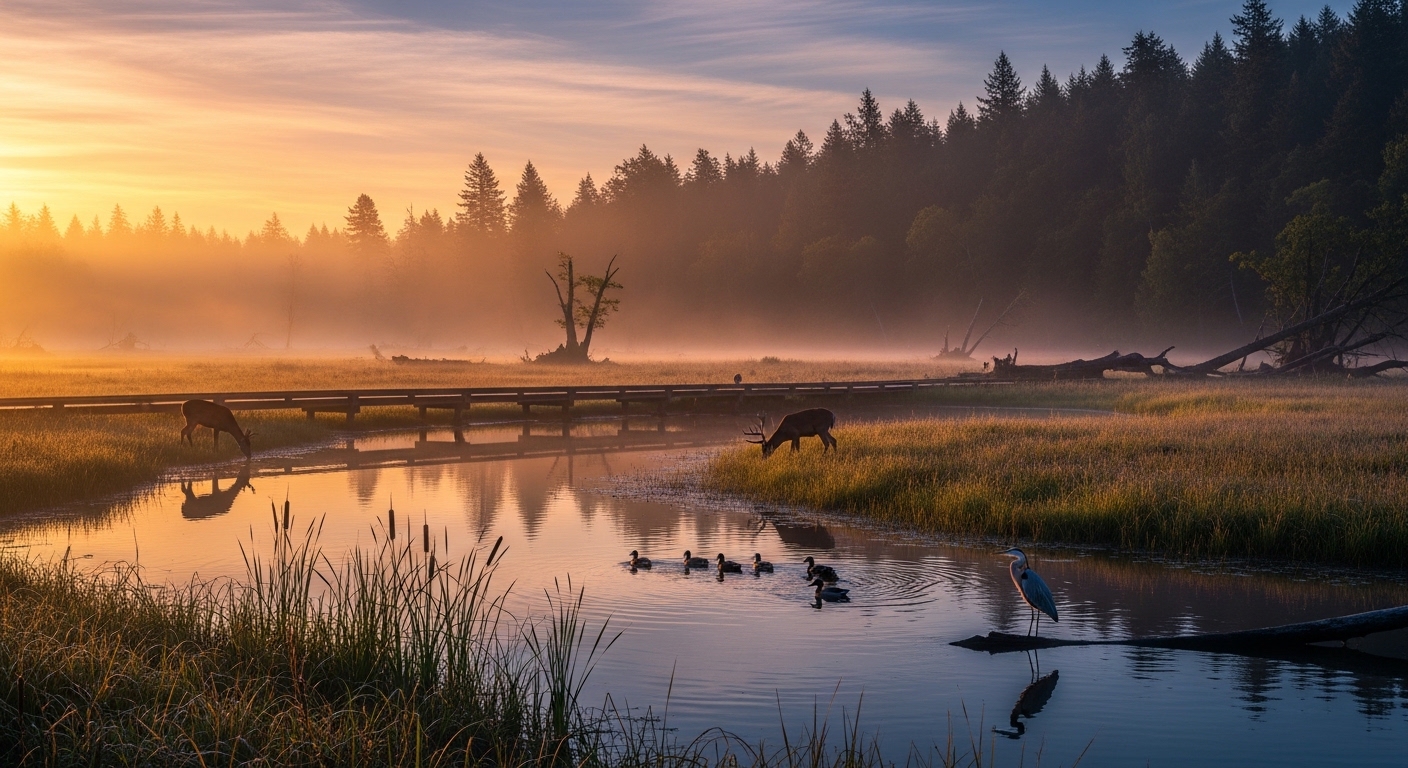
From dense sal forests to sprawling grasslands and misty hills, the country’s protected areas provide safe and structured environments for families to explore nature together. Here is a detailed guide to some of the top wildlife sanctuaries and national parks in India that are ideal for a family adventure.
Jim Corbett National Park, Uttarakhand
Established in 1936, Jim Corbett National Park is India’s oldest national park and one of the most accessible for families. Located in the foothills of the Himalayas, it combines riverine belts, grasslands and dense forests.
The park is known for its population of Bengal tigers, though sightings require patience. Jeep safaris in designated zones are organized and monitored, making them suitable for families with children above the permitted age. The Dhikala zone, in particular, offers sweeping views of grasslands where elephants and deer roam freely.
Beyond safaris, the nearby Corbett Museum and nature walk along the Kosi River provide quieter experiences for younger children.
Ranthambore National Park, Rajasthan
Set against the dramatic backdrop of an ancient fort, Ranthambore National Park offers a rare blend of wildlife and history. Located near the town of Sawai Madhopur, the park is among the best places in India to spot tigers in daylight.
Safari vehicles move through open terrain dotted with lakes and ruins, creating visually striking scenes. For children, the sight of a tiger crossing a dusty trail is both thrilling and educational.
Accommodation ranges from comfortable resorts to modest lodges, many of which cater specifically to families.
Kaziranga National Park, Assam
In the floodplains of the Brahmaputra lies Kaziranga National Park, home to the largest population of one horned rhinoceros in the world. A UNESCO World Heritage Site, Kaziranga’s tall elephant grass and wetlands create a unique safari landscape.
Elephant rides, offered in select zones, allow families to explore marshy areas where rhinos graze. Jeep safaris provide opportunities to spot wild buffalo, swamp deer and a variety of bird species.
The park’s biodiversity introduces children to ecosystems very different from the forests of central or northern India.
Bandipur National Park, Karnataka
Located along the Mysuru Ooty highway, Bandipur National Park forms part of the Nilgiri Biosphere Reserve. Its dry deciduous forests are home to elephants, deer, gaur and occasionally tigers.
Bandipur’s regulated safari system ensures safety and structured visits. The park’s proximity to hill stations like Ooty makes it easy to combine wildlife exploration with cooler mountain stays.
For families from southern cities, Bandipur offers a convenient yet authentic wilderness experience.
Kanha National Park, Madhya Pradesh
The inspiration behind Rudyard Kipling’s The Jungle Book, Kanha National Park is known for its vast meadows and healthy population of barasingha, or swamp deer.
The park’s well organized safari routes and knowledgeable guides make it suitable for educational family trips. Children often find the open landscapes easier for spotting animals compared to denser forests.
Interpretation centers near the park entrances provide insights into conservation efforts, helping families understand the importance of protecting wildlife habitats.
Periyar Wildlife Sanctuary, Kerala
Set around the scenic Periyar Lake in Thekkady, Periyar Wildlife Sanctuary offers a different kind of wildlife experience. Boat rides on the lake allow families to observe elephants and other animals from a safe distance.
The sanctuary also organizes guided nature walks and bamboo rafting under supervision. The lush greenery and cooler climate make it a comfortable summer destination.
Periyar blends adventure with serenity, making it appealing for families who prefer a slower pace.
Sundarbans National Park, West Bengal
For a truly distinctive adventure, Sundarbans National Park introduces families to the world’s largest mangrove forest. This delta region is famous for its elusive Royal Bengal Tigers and intricate network of tidal waterways.
Boat safaris replace jeep rides here, offering a different rhythm of exploration. Children can learn about mangrove ecosystems, crocodiles and migratory birds.
Due to its unique terrain, planning with reputable operators is essential to ensure safety and comfort.
Gir National Park, Gujarat
The only place in the world where Asiatic lions roam freely is Gir National Park. Located in western India, Gir’s dry forests and open scrublands provide clear visibility during safaris.
Lion sightings are relatively frequent, making it an exciting destination for children. The park’s conservation success story also offers a valuable lesson in wildlife management and community involvement.
Planning a Family Wildlife Trip
Choose the Right Season
Most wildlife sanctuaries are open from October to June. Summer months often improve animal sightings as wildlife gathers around water sources, though temperatures can be high in central India.
Respect Age Guidelines
Many parks have minimum age requirements for safaris. Check regulations in advance and plan accordingly.
Prepare Children for Patience
Wildlife sightings are unpredictable. Teach children that safaris are about observing nature, not guaranteeing encounters. This mindset reduces disappointment and increases appreciation.
Pack Thoughtfully
Neutral colored clothing, hats, sunscreen and binoculars enhance the experience. Carry water and light snacks but follow park rules regarding waste.
More Than a Vacation
A wildlife sanctuary visit is not about ticking off animals on a checklist. It is about understanding the delicate balance between humans and nature. Watching a herd of elephants cross a forest trail or listening to the chorus of birds at dawn leaves a lasting impression.
For families, these trips create shared stories. They inspire curiosity about conservation and foster empathy for living creatures beyond city boundaries.
India’s wildlife sanctuaries offer safe, structured and enriching environments for family adventures. Whether you choose the grasslands of Kanha National Park or the mangroves of Sundarbans National Park, the journey into the wild is likely to be both educational and deeply memorable.
In the quiet of a forest clearing or on the deck of a safari boat, families often rediscover something essential. A sense of wonder.