By the time May arrives, much of India begins to simmer. Plains shimmer under a relentless sun, city pavements radiate stored heat, and afternoons stretch long and heavy. For generations, the answer to this seasonal intensity has been simple: go uphill.
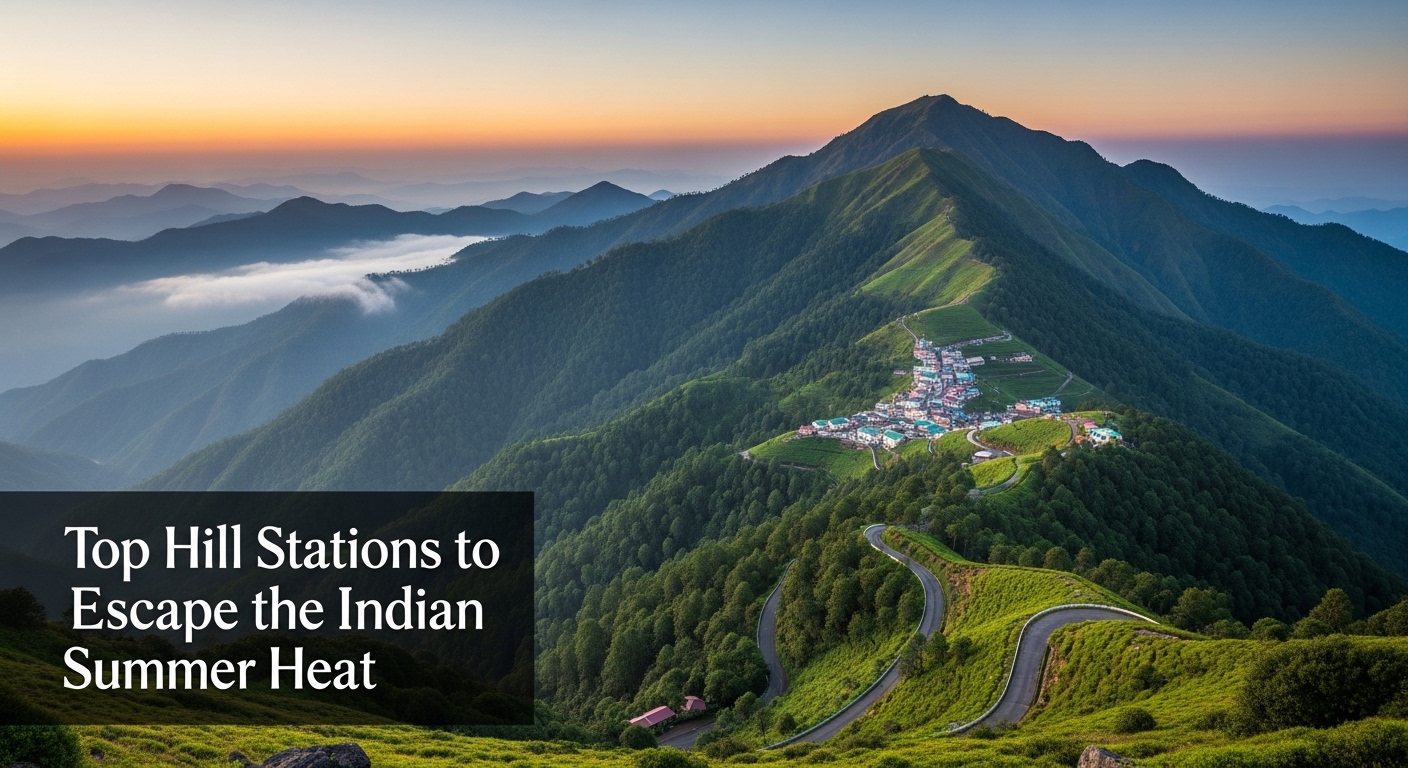
India’s hill stations were once summer retreats for colonial administrators seeking relief from the plains. Today, they remain sanctuaries for families, honeymooners, solo travellers and anyone craving cool air and mountain views. From the Himalayas in the north to the Western Ghats in the south, these destinations offer respite, scenery and a slower rhythm of life.
Here are some of the top hill stations in India to escape the summer heat.
Shimla
Few hill stations are as iconic as Shimla. Once the summer capital of British India, this Himachali town still carries echoes of its colonial past in its architecture and promenades.
The Mall Road remains the social heart of the city. Cafes, bakeries and old theatres line the pedestrian stretch, where evening walks feel almost ceremonial. The Christ Church stands prominently against the sky, its pale facade glowing softly at dusk.
Summer temperatures in Shimla are pleasantly mild compared to the scorching plains. Days are warm enough for sightseeing, while evenings invite light sweaters. A short drive leads to Kufri and Mashobra, where pine forests and open meadows offer quieter alternatives to the main town.
Shimla’s appeal lies in familiarity. It feels like a classic escape, complete with toy train journeys and mist rolling in over cedar covered hills.
Manali
Further north, Manali offers both cool air and adventure. Situated along the Beas River, it attracts travellers who want more than just a change in temperature.
Old Manali, with its wooden houses and narrow lanes, retains a village like charm. The Hidimba Devi Temple, surrounded by tall deodar trees, provides a serene retreat from busier areas.
Summer in Manali is marked by clear skies and snowcapped peaks visible in the distance. Solang Valley becomes a hub for paragliding and ropeway rides, while Rohtang Pass, when open, offers glimpses of lingering snow even as the plains swelter.
Manali balances scenic beauty with activity. It is as suited to families seeking a cool holiday as it is to backpackers chasing mountain roads.
Darjeeling
On the eastern edge of the Himalayas, Darjeeling presents a gentler mountain experience. Known for its tea estates and sweeping views of Kanchenjunga, this hill station remains a favourite summer refuge.
Mornings begin early here, often with a drive to Tiger Hill to watch the first light touch the peaks. The town’s colonial era schools and monasteries add to its layered character.
A ride on the Darjeeling Himalayan Railway offers both nostalgia and panoramic views. As the train winds through hills and markets, it captures the slow pace that defines Darjeeling.
Temperatures in summer are comfortable, rarely oppressive. Afternoon mists roll in, cooling the air further. For those seeking serenity over spectacle, Darjeeling delivers.
Ooty
In the Nilgiri hills of Tamil Nadu, Ooty stands as a southern counterpart to northern hill stations. Eucalyptus groves, colonial bungalows and manicured gardens define its landscape.
The Ooty Botanical Gardens burst into colour during summer, especially around the annual flower show. Ooty Lake draws families for boating, while Doddabetta Peak offers panoramic views of the surrounding hills.
Unlike the intense heat in cities like Chennai or Coimbatore, Ooty remains cool and breezy. Evenings can feel surprisingly crisp. The Nilgiri Mountain Railway, climbing through tunnels and tea estates, adds charm to the journey.
Ooty’s appeal lies in its accessibility and comfort. It offers predictable cool weather and a range of accommodation options, from heritage hotels to cosy homestays.
Munnar
Further west in Kerala, Munnar’s rolling tea plantations provide both visual and climatic relief. The Western Ghats shield the region from extreme temperatures, making it a refreshing escape.
Summer mornings are cool, often accompanied by light mist over the hills. Tea gardens stretch endlessly, inviting long walks and photography sessions. Eravikulam National Park, home to the Nilgiri tahr, offers guided treks through grasslands and forest.
Munnar’s rhythm is unhurried. Resorts overlook valleys, serving fresh local cuisine and strong Kerala coffee. Compared to busier northern hill stations, Munnar feels intimate and lush.
Nainital
Set around a pear-shaped lake, Nainital combines mountain air with lakeside leisure. During summer, it becomes a popular retreat for families from Delhi and surrounding states.
Boating on Naini Lake remains the central attraction. The Mall Road runs alongside the water, lined with shops and eateries. A cable car ride to Snow Viewpoint offers sweeping vistas of distant Himalayan peaks.
Though Nainital can become crowded during peak vacation weeks, its setting remains charming. The cool evenings and gentle lake breeze provide welcome relief from the plains.
Coorg
In Karnataka, Coorg offers a different kind of hill escape. Coffee plantations, waterfalls and forested hills define its landscape.
Summer here is warm during the day but far less harsh than in nearby cities. Early mornings are particularly pleasant, with birdsong echoing across estates. Abbey Falls and Raja’s Seat are popular viewpoints, while plantation stays allow visitors to experience local life.
Coorg feels less like a traditional hill station and more like a rural retreat. Its charm lies in simplicity and greenery rather than bustling promenades.
Shillong
In the northeast, Shillong offers rolling hills, colonial era churches and vibrant local culture. Summer temperatures remain mild, often accompanied by light breezes.
Ward’s Lake and Elephant Falls are popular attractions, while nearby Cherrapunji offers dramatic landscapes and living root bridges. The region’s music scene and cafes add a youthful energy.
Shillong’s altitude ensures that even on sunny days, the air remains fresh. It is an ideal escape for those seeking both natural beauty and cultural depth.
Why Hill Stations Endure
India’s hill stations endure because they offer more than cool air. They provide psychological relief. The act of travelling upward, away from crowded plains, feels symbolic. Noise recedes. Even time seems to slow.
Each hill station has its own character. Shimla carries colonial nostalgia. Manali mixes adventure with scenery. Darjeeling blends tea and tradition. Ooty feels manicured and classic. Munnar is lush and intimate. Nainital centres around its lake. Coorg invites quiet reflection. Shillong surprises with culture and rain washed landscapes.
In summer, when thermometers climb relentlessly, these towns remind travellers that relief is often just a few thousand feet higher. Cool mornings, pine scented air and distant mountain views create a pause from the heat.
For many Indians, the ritual of a summer hill station trip is almost cultural memory. Families return year after year, revisiting favourite viewpoints and bakeries. New travellers discover that the mountains offer not only lower temperatures but also perspective.
When the plains burn and afternoons feel endless, the hills wait patiently. And in their shade, summer feels softer.